
The prime-time television broadcast turned into a moment of unprecedented tension when a visibly shaken police officer openly accused a senator live on air.
His words, harsh and full of anger, struck the public, opening a national debate on the relationship between politics and security.
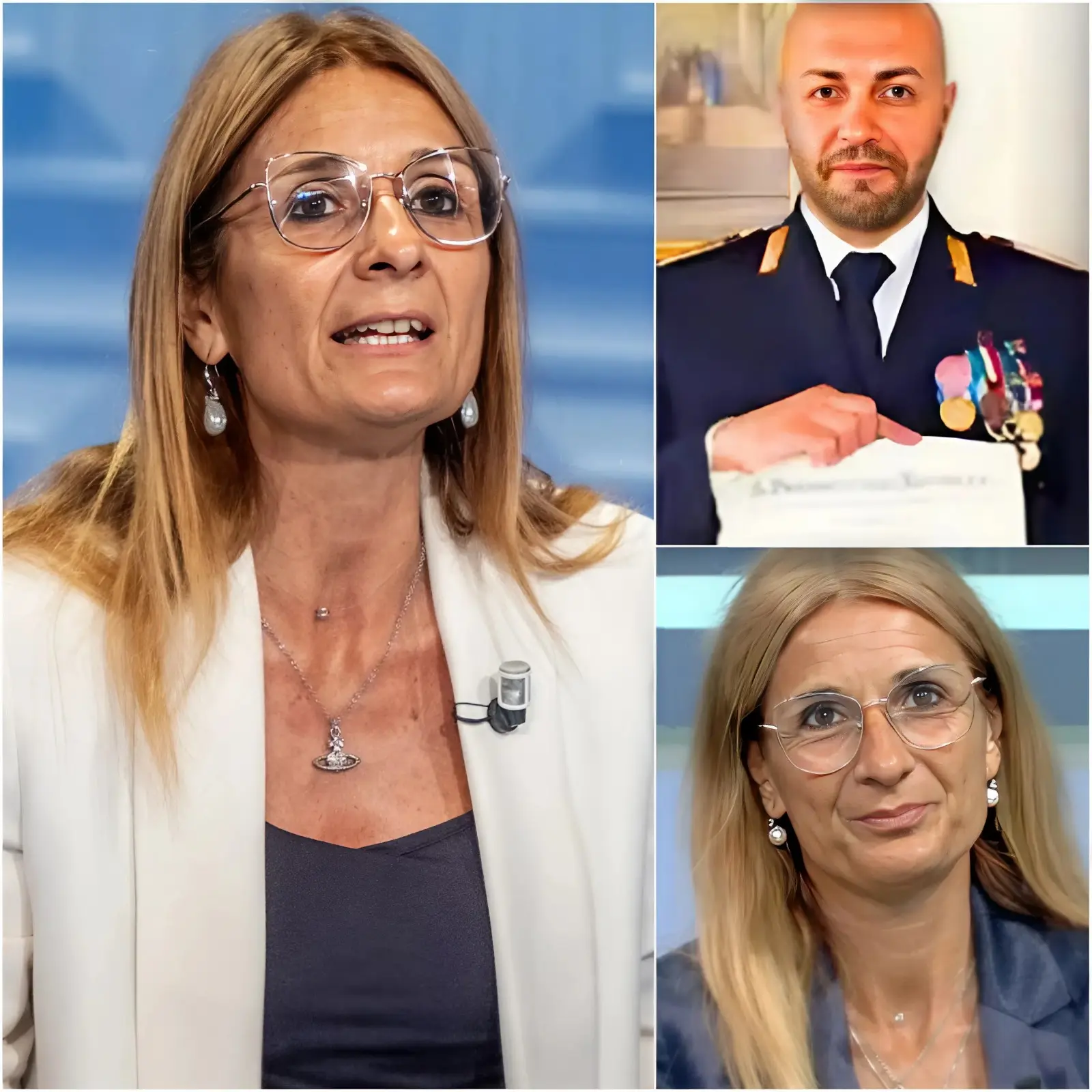
The officer, identified as Gresi, spoke with a broken voice, recounting experiences gained in the field in recent months. He evoked scenes of clashes, injuries and endless nights spent under siege, describing a daily reality which, according to him, is ignored by the palaces of power and official rhetoric.
During his speech, Gresi remembered his colleagues who were injured during public order operations, underlining how the police often find themselves isolated. He cited Molotov cocktails, sudden attacks and the absence of concrete political support, painting a picture of frustration and tiredness built up over time.
Senator Malpezzi, sitting in front of him, remained silent, visibly affected by the accusations. The cameras captured the embarrassment and surprise in the studio, while the public witnessed a verbal clash rare in its intensity and spontaneity, far from the usual measured tones of television debates.
Gresi denounced what he defined as political hypocrisy, accusing institutional representatives of tolerating crime for convenience. According to the officer, decisions made away from the streets would have direct consequences on the safety of officers and citizens, creating an ever-widening gap.
The story took on a personal tone when the officer remembered the families of his colleagues, forced to live in anxiety. He spoke of silent sacrifices and a dedication that rarely finds public recognition, arguing that the uniform is often forgotten when reforms and strategies are discussed.
The most shocking moment came when Gresi suddenly stopped. He looked straight into the camera, creating an expectant silence. At that moment, the atmosphere in the studio changed, as if everyone perceived the imminence of words destined to leave a profound mark.
The fourteen words uttered by the officer had an immediate effect. Despite their brevity, they summarized years of frustration and pain, paralyzing the study. The audience, guests and even the hosts stood still, knowing they were witnessing a television moment destined to be remembered.
On social media, the clip of the surgery began to circulate rapidly. Thousands of comments expressed solidarity, indignation or concern, reflecting a divided society. Many praised the officer’s courage, others criticized the language used, judging it excessive and dangerous.
Political analysts have underlined how the episode reveals a latent tension between institutions and law enforcement. According to some observers, the lack of structured dialogue fuels emotional explosions like the one seen live, transforming information programs into stages for collective release.
The police unions reacted by defending Gresi, speaking of a cry of alarm that cannot be ignored. They called for concrete interventions, greater legal protection and adequate resources, arguing that public safety also depends on the respect and support guaranteed to those working in the field.
On the political side, reactions have been cautious. Some exponents called for moderation, reiterating the importance of civil confrontation. Others have recognized the need to listen to the discomfort expressed, promising working tables and initiatives to bridge the gaps that have emerged in such a dramatic way.

The host of the program defended the choice to broadcast the speech without censorship, speaking of a public service. He explained that the task of information is to show reality, even when it is uncomfortable, allowing citizens to form an opinion based on direct testimonies.
Communication experts have highlighted the power of short, punchy words. Gresi’s fourteen words, according to them, worked as an emotional catalyst, capable of overcoming long arguments and directly hitting the collective imagination with a force rare in media debate.
Meanwhile, Malpezzi released a short statement, saying he respected the pain expressed by the officer. However, he reiterated the need to maintain respectful language and address problems through institutional bodies, avoiding generalizations that could fuel further divisions.
The episode has reignited the debate on urban security and political responsibilities. Public meetings and assemblies have been organized in many cities, a sign that the words spoken on television have touched deep chords, stimulating collective reflection on the role of the State.
Gresi, for his part, remained silent in the following days. Close sources report that they did not expect such a large reaction. His intervention, born of emotion, went beyond the confines of the television studio, becoming a symbol of widespread malaise.
Many citizens recognized a shared feeling in his words, while others fear that such outbursts could legitimize aggressive tones. The discussion remains open, suspended between understanding and criticism, awaiting concrete answers that go beyond the emotion of the moment.
Days later, the video continues to be shared and discussed. The scene of the silent studio remains imprinted in the collective memory, reminding us how, sometimes, a few words can shake an entire country more than long planned speeches.
It now remains to be seen whether this episode will lead to real changes or whether it will be absorbed by the continuous flow of news. What is certain is that those fourteen words opened a wound, forcing politics and society to look in the mirror.