
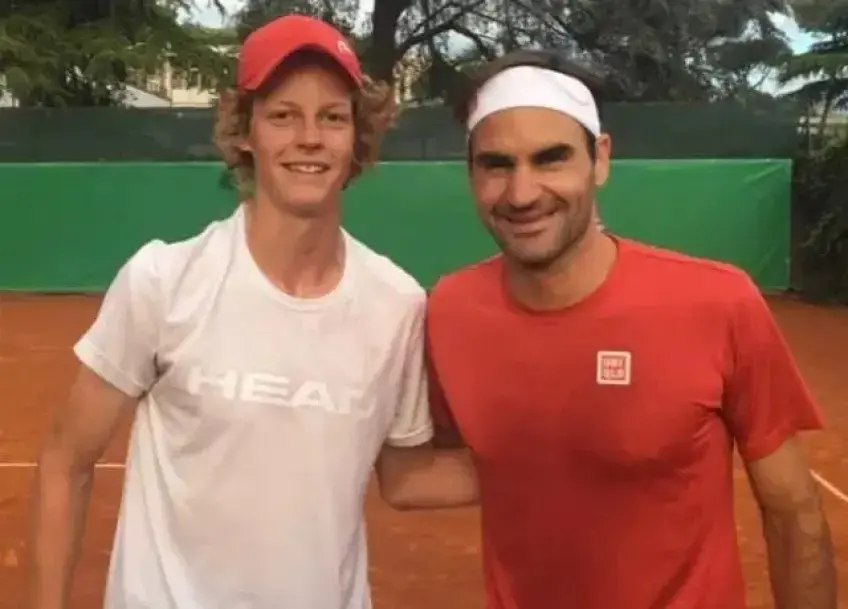
Jannik Sinner’s early exit from the Qatar Open sparked an unexpected wave of criticism. Within days, the debate surrounding the Italian number one had escalated into a media frenzy. But surprisingly, Roger Federer decided to intervene publicly, staunchly defending the South Tyrolean’s talent.
The tournament in question, the Qatar Open, was one of the most anticipated events of the season. After an extraordinary few months, many expected another dominant performance from Jannik Sinner. Instead, his early elimination raised premature questions about his form.
On social media and in sports discussions, the word “crisis” appeared with surprising speed. Two consecutive defeats were enough to fuel doubts about the physical and mental stability of the Italian champion. A disproportionate reaction, considering the extraordinary progress he has made in recent years.
Roger Federer, a living legend of world tennis, intervened in this heated atmosphere. His words carried enormous weight. It wasn’t a mere diplomatic statement, but a clear, lucid position, full of personal experience.
“Jannik is only 24 years old, he’s already won four Grand Slam titles, the Davis Cup, and he’s leading the new generation,” Federer noted. A powerful reminder of the numbers, often forgotten when emotion takes over sports analysis.
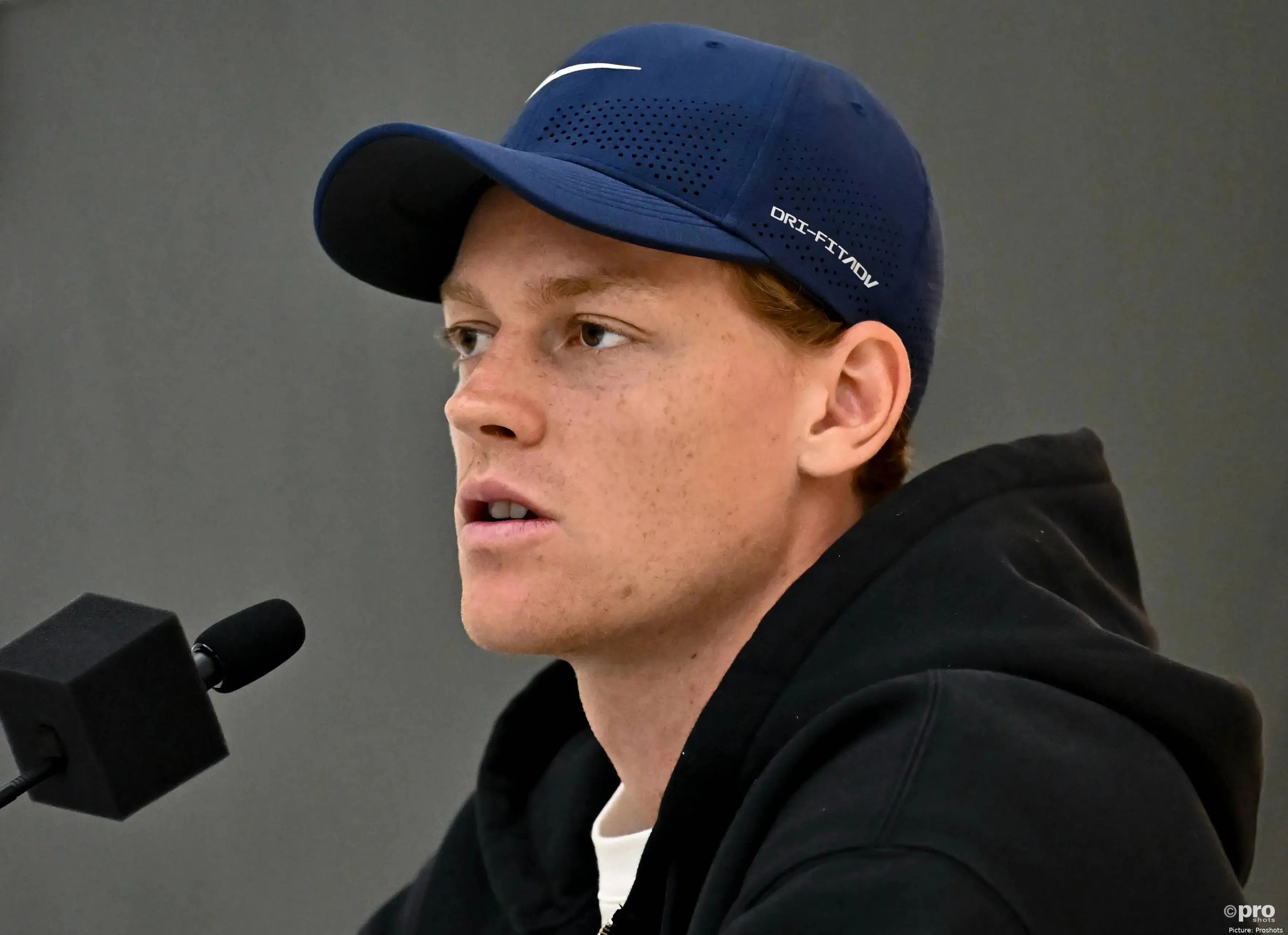
Federer emphasized that two consecutive losses do not represent a crisis, but rather a natural phase in the career of any great champion. His personal experience was the focus of his message, turning the defense into a lesson in perspective for fans and the media.
The former Swiss number one recalled that he prematurely withdrew from numerous tournaments, even after winning prestigious titles. At the time, he explained, many spoke of decline. However, history has shown how hasty those judgments were.
Federer also cited two historic rivals, Novak Djokovic and Rafael Nadal, to reinforce his point. Both went through difficult periods, unexpected defeats, and fierce criticism before returning to dominate the world circuit.
The message was clear: greatness isn’t measured by the absence of defeats, but by the ability to bounce back. In modern tennis, with its intense schedules and constant pressure, even the most consistent champions can experience less-than-stellar weeks.
Federer’s words had an immediate impact. In Italy, thousands of fans expressed their gratitude for the Swiss legend’s intervention. Many described it as an elegant gesture, a symbol of respect for a young leader of the new generation.
Sinner, for his part, opted for a sober but deeply emotional response. In a public statement, he thanked Federer with words of profound respect, describing him not only as a sporting role model but also as a human being. This sentiment resonated throughout the tennis world.
The Italian tennis player explained how much it means to receive the support of those who have written indelible pages in the history of tennis. He didn’t limit himself to a formal thank you: he spoke of inspiration, of dreams nurtured by watching the feats of the Swiss champion.
Sinner’s response showed maturity and awareness. No controversy, no knee-jerk reactions to criticism. Just gratitude and a focus on future goals. An attitude that confirms the mental fortitude he has built up over the past few years.
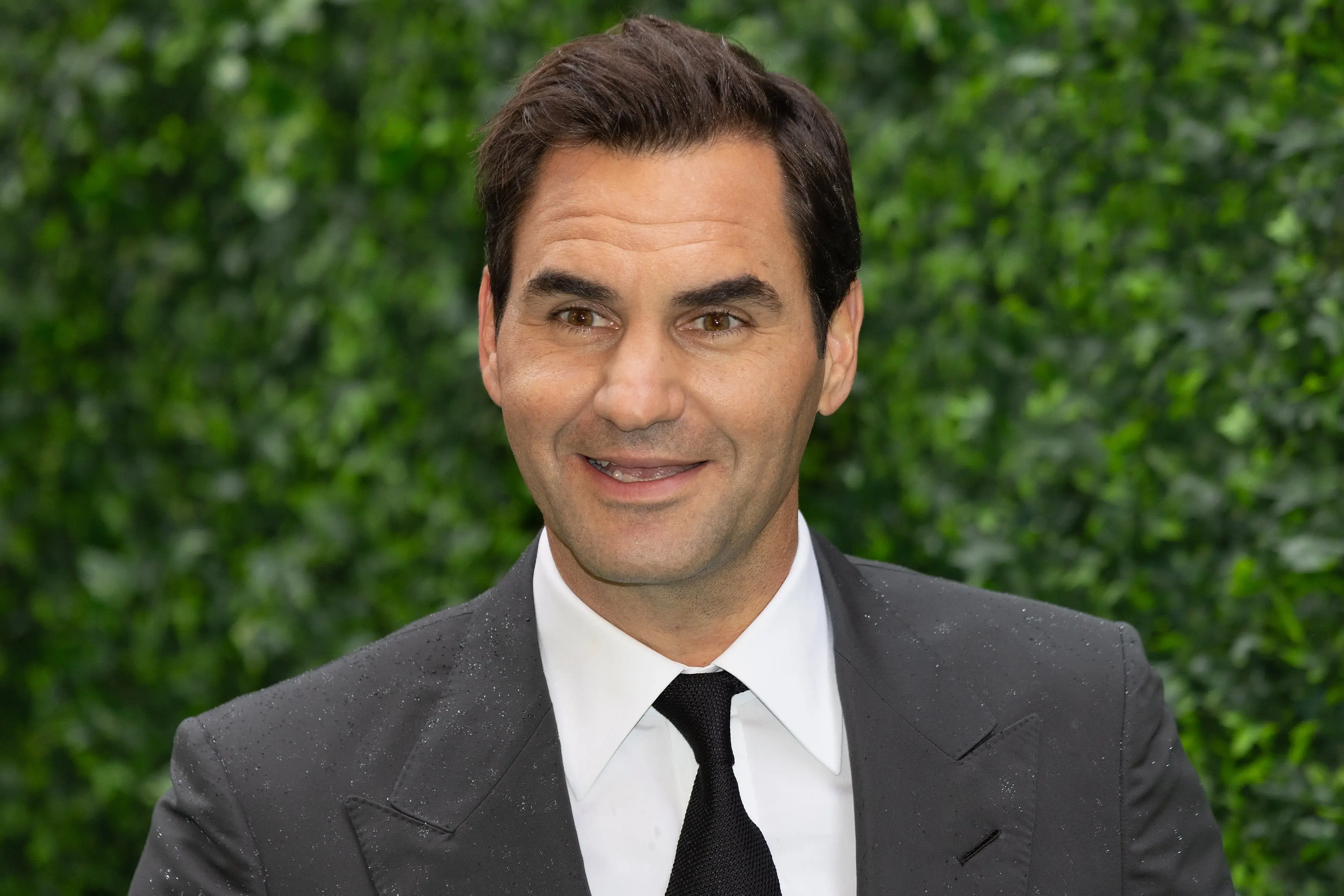
From a technical standpoint, his elimination at the Qatar Open doesn’t erase the evident progress in his game. A more incisive serve, better tactical management, and the ability to vary his pace: these are the elements that led him to win important titles and consolidate his position at the top.
Experts point out that the season is long and full of opportunities. A defeat in February doesn’t define the entire year. Top champions aim to reach peak form and accept inevitable fluctuations in competitive performance.
The support for Federer also carries symbolic weight. It’s like a passing of the torch between generations, an implicit acknowledgment of Sinner’s leadership in the current landscape. A powerful signal at a time of intense media pressure.
In the context of global tennis, the narrative of a “crisis” seems to have subsided. The words of an icon have brought balance to the debate, reminding us that a champion’s career is built over time, not in a single week.
Many analysts have highlighted how the pressure on the young Italian has increased following his recent successes. When you reach the top, every misstep is amplified. It’s the price of greatness, but also a crucial test.
Sinner seems aware of this situation. His statements convey serenity and determination. He didn’t speak of justifications, but of daily work and continuous growth, elements that have always characterized his path.
The Qatar Open episode could prove to be a valuable learning experience. Defeats often become tools for improvement, as demonstrated by the history of the greatest players, from Federer to Djokovic and Nadal.
In the end, Roger Federer’s intervention went beyond simply defending a colleague. It was a reminder of tennis’s historical memory, a lesson in balance in an era dominated by instant reaction and digital emotion.
Jannik Sinner’s sincere and grateful response completed the picture. Two generations united by mutual respect and a love for the sport. And although the criticism has subsided, one thing remains certain: the Italian champion’s path is anything but in doubt.