
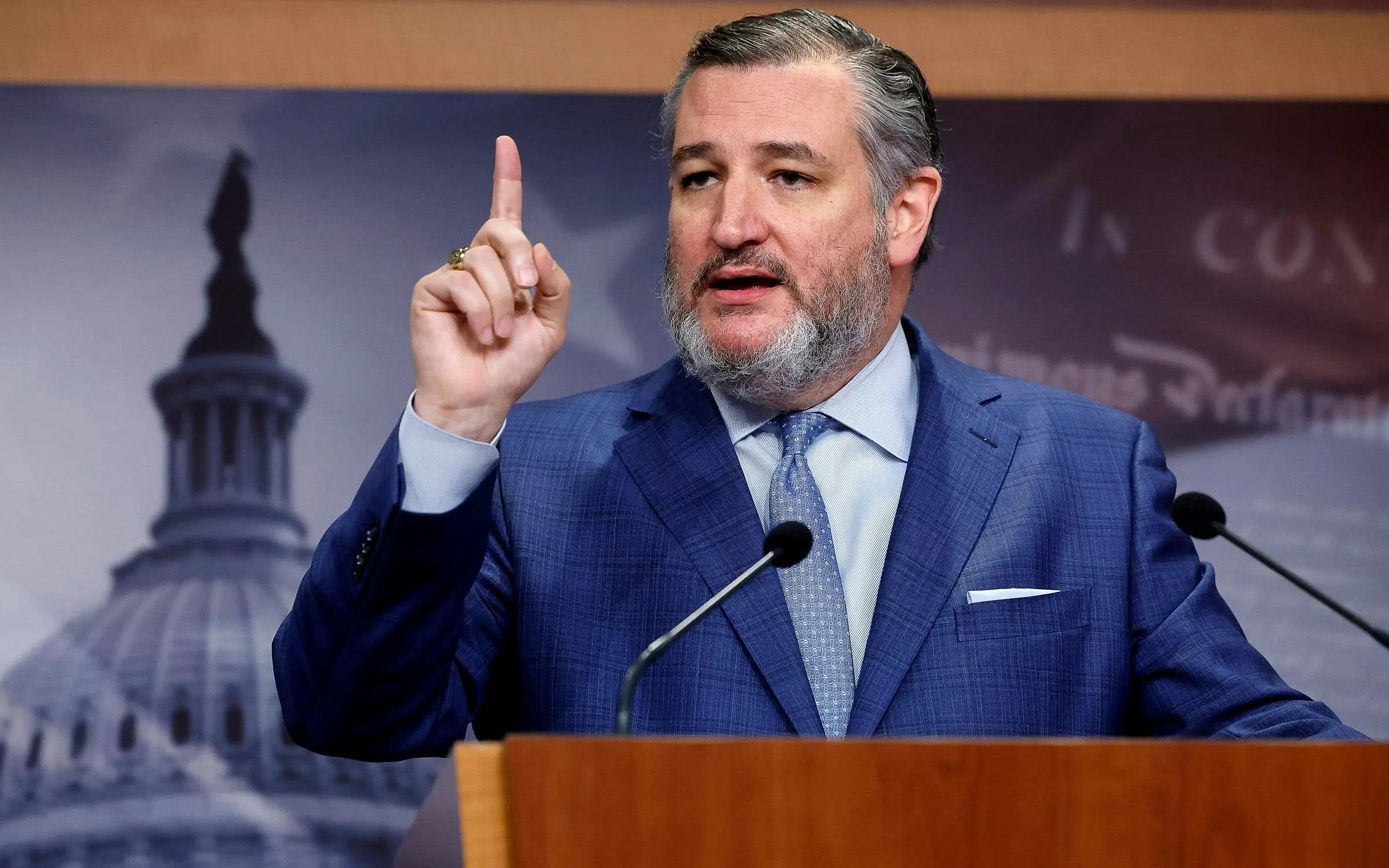
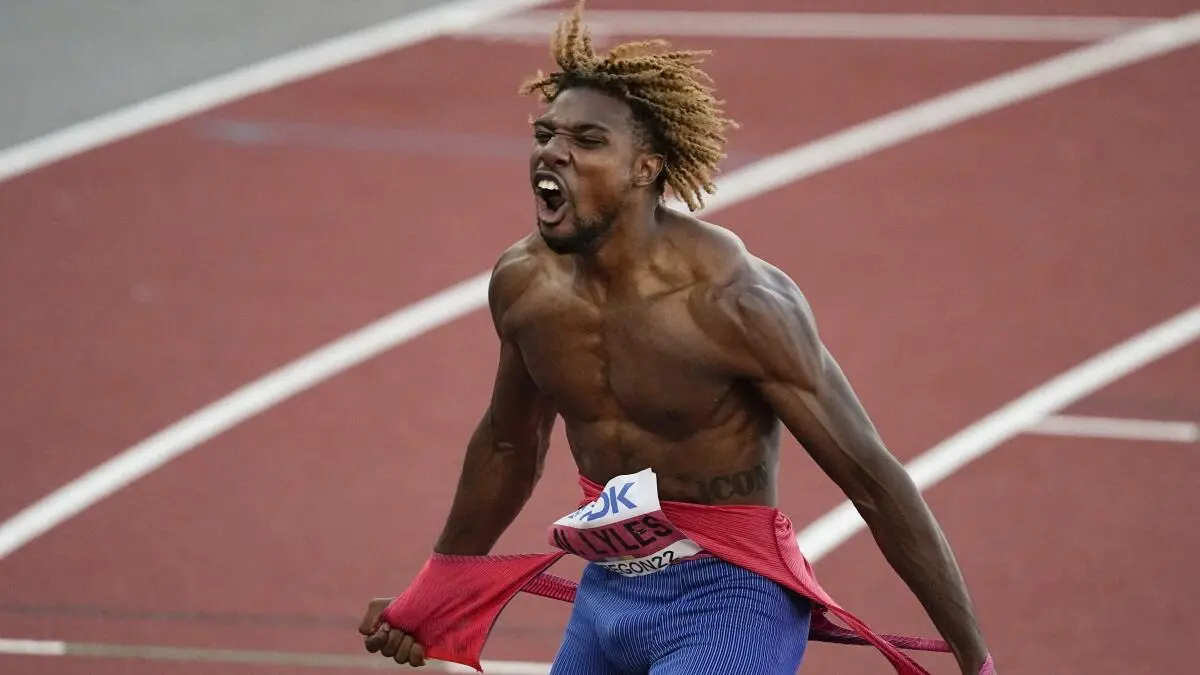
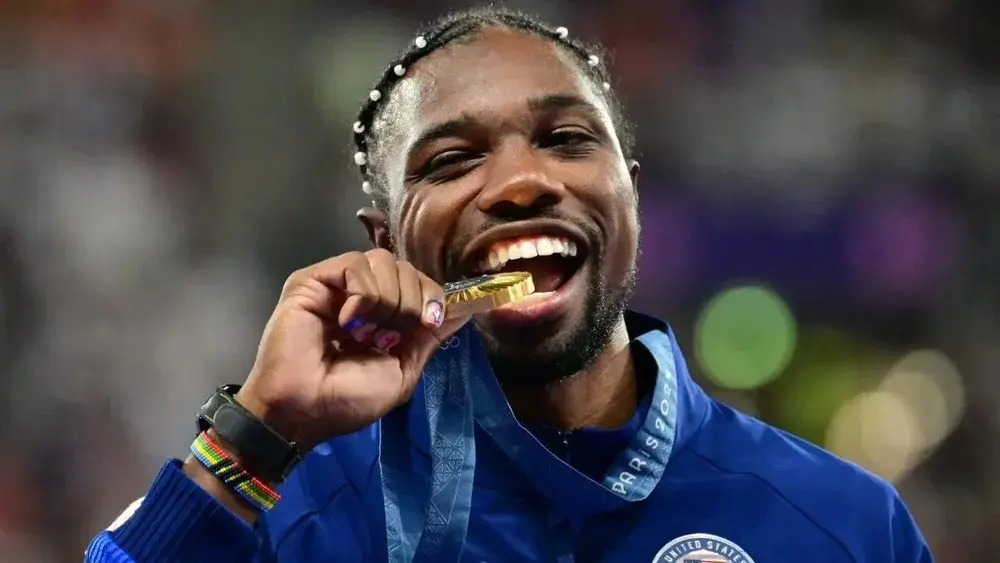
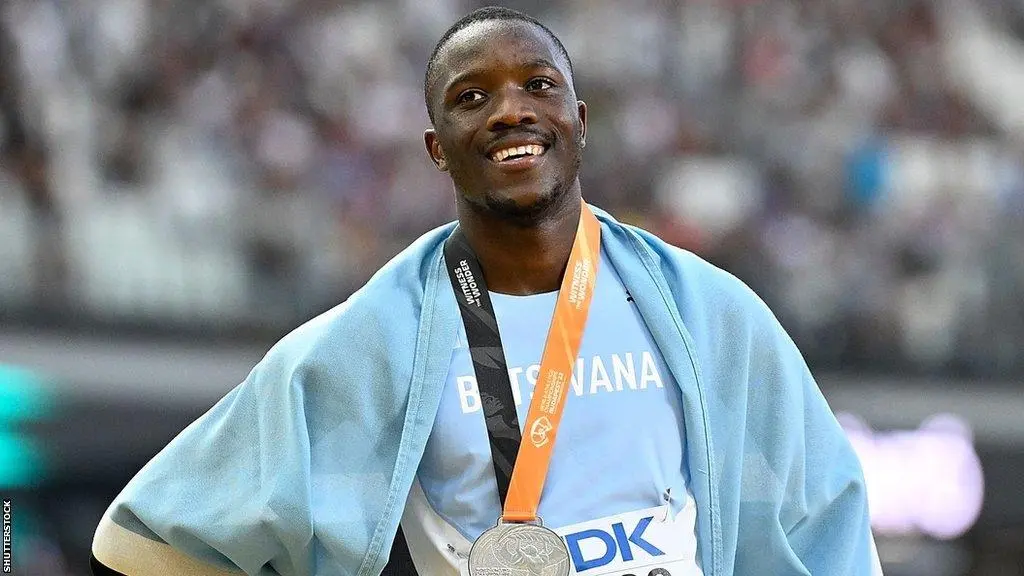
🏃♂️LIVE EXPLOSION: “DON’T USE YOUR POWER TO INSULT OTHERS” – Noah Lyles unexpectedly dropped a bombshell during a prime-time interview with Ted Cruz, causing him to tremble uncontrollably, forcing a strained smile to justify insulting top Black athlete Letsile Tebogo as “an outdated, slow failure of track and field”… But Noah remained completely calm, each question sharp as a knife, exposing the hypocrisy of the powerful elite.
The studio fell silent then erupted in thunderous applause, social media exploded after just 5 minutes, and Ted Cruz’s image was irreparably damaged. What pushed the top American track and field star, Noah Lyles, to this peak of anger?
In what is already being described as one of the most volatile prime-time interviews of the year, American sprint icon Noah Lyles delivered a blistering rebuke that stunned a national television audience and ignited social media within minutes. The moment came during a live studio conversation with U.S.
Senator Ted Cruz, when Lyles confronted remarks that many viewers interpreted as dismissive and racially charged toward world-class sprinter Letsile Tebogo. What followed was not a shouting match, but something far more unsettling: a calm, methodical dismantling of power, privilege, and hypocrisy.
A Tense Opening That Quickly Escalated
The interview was initially promoted as a wide-ranging discussion on sport, national pride, and global competition in track and field. Producers expected debate; few anticipated confrontation. Early questions were polite, even cordial.
But tension crept in when Cruz referenced Tebogo, the Botswanan star and Olympic contender, using language that critics later described as “outdated” and “dismissive,” implying that the athlete represented a slower, fading era of the sport.
According to multiple viewers and commentators, the studio atmosphere shifted instantly. Lyles paused, leaned forward, and delivered the line that would soon dominate headlines: “Don’t use your power to insult others.”
Calm Words, Cutting Impact
What made the exchange so explosive was not volume or theatrics. Lyles did not raise his voice. He did not interrupt. Instead, he asked precise, carefully framed questions—each one exposing what he called a double standard applied to Black athletes competing on the world stage.
“Who decides what ‘outdated’ means,” Lyles asked, “when records keep falling and new champions keep emerging outside the usual centers of power?”
Observers noted that Cruz appeared visibly unsettled, offering what some described as a strained smile while attempting to reframe his comments as humor or “context.” The effort, however, did little to slow the momentum.
Lyles continued, pointing out that Tebogo’s performances, medals, and global fanbase contradicted any narrative of decline or failure.
Exposing a Larger Pattern
As the exchange unfolded, it became clear that Lyles was speaking about more than a single athlete. He framed Tebogo’s treatment as part of a broader pattern in which elite institutions and influential figures minimize achievements that challenge traditional hierarchies in sport.
“Track and field is global now,” Lyles said. “If that makes people uncomfortable, that’s not the athlete’s problem.”
This framing resonated powerfully with audiences, especially younger viewers and athletes of color who have long argued that respect in elite sport is unevenly distributed. The studio reportedly fell silent before erupting into sustained applause—a rare moment for a tightly controlled broadcast environment.
Social Media Erupts Within Minutes
Within five minutes of the segment airing, clips began circulating across X, Instagram, and TikTok. Hashtags linking Noah Lyles, Letsile Tebogo, and the interview surged, with fans praising Lyles for his composure and clarity.
Sports journalists, former Olympians, and cultural commentators weighed in, many calling the moment a “masterclass in accountability.”
At the same time, criticism of Cruz intensified. While supporters defended his intent, others argued that the exchange reinforced perceptions of detachment from modern sport and cultural realities.
Several viral posts claimed the interview caused “irreparable damage” to his public image, though political analysts cautioned that long-term impact remains to be seen.
Why Noah Lyles Reached His Breaking Point
So what pushed Noah Lyles—known as much for his charisma as his confidence—to this moment? Those close to the sprinter point to years of watching non-Western and non-American athletes reduced to stereotypes, even as they delivered historic performances.
Lyles has long positioned himself as an advocate for the sport’s future, emphasizing inclusivity, global growth, and respect. In recent months, he has spoken openly about the responsibility elite athletes carry beyond medals and sponsorships.
“This wasn’t anger,” one analyst noted. “It was precision.”
Indeed, Lyles’s demeanor suggested deliberation, not impulse. His message was direct: influence should elevate sport, not diminish those who expand it.
A Defining Media Moment for Track and Field
The interview has already become a reference point in discussions about race, power, and representation in international athletics. Whether one views it as confrontation or correction, it underscored a shifting dynamic: athletes are no longer content to let others define narratives about their peers.
For Noah Lyles, the moment may mark a turning point—from champion sprinter to cultural voice within sport. For track and field, it served as a reminder that performance alone is no longer the only battleground. Words, platforms, and accountability now matter just as much.
And as the applause faded and the cameras cut away, one thing was clear: this was not just a viral moment. It was a statement—delivered calmly, received loudly, and remembered instantly.