
tefon Diggs made an explosive statement that has shocked the NFL world: “It’s him or me. I don’t want to continue playing alongside him. I’d rather leave than have to watch him play even one more minute! Every time I see him walk on the field, I feel like I’m betraying my own career and my own dignity.”
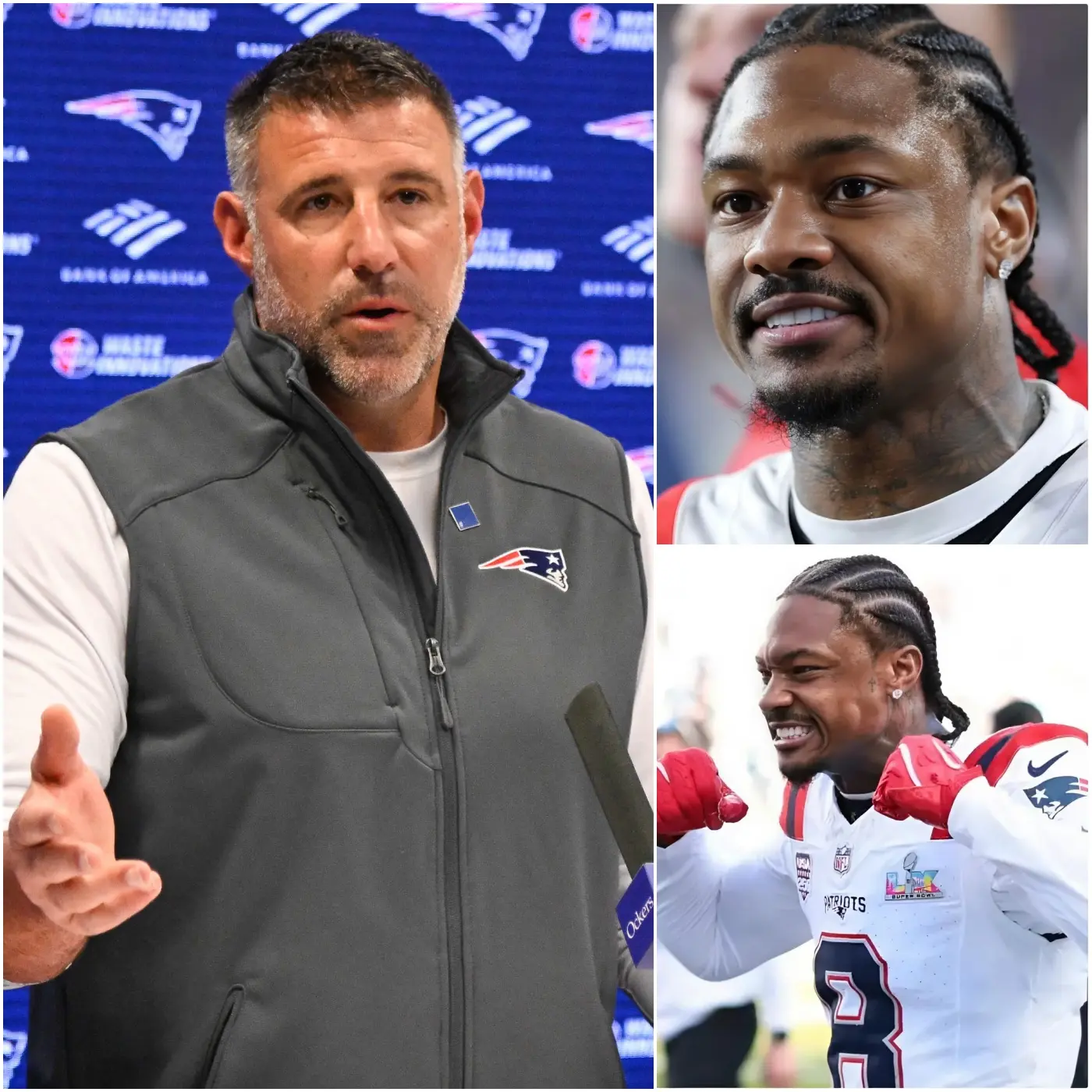
The explosive words came after the New England Patriots’ crushing loss to the Seattle Seahawks, a game many saw as a turning point for the franchise. In this raw, unfiltered moment, the star receiver pointed directly at his quarterback, Drake Maye, labeling him “the source of the disaster” that led to the devastating loss.
The allegation has thrust head coach Mike Vrabel into what is undoubtedly the most serious crisis of his coaching career, forcing the organization to confront deep divisions in the locker room at a critical time.
The Patriots began the season with renewed hope. After years of rebuilding, the addition of Diggs, a proven, battle-tested receiver with a history of elite production, seemed like the perfect fit for rising young quarterback Drake Maye. Maye, selected high in the draft, had shown flashes of brilliance: strong arm talent, mobility and increasing poise under pressure. Diggs, fresh from stints with the Vikings, Bills and Texans, arrived in New England eager to chase a championship and mentor the next generation.
Early reports suggested the chemistry was increasing. Diggs spoke glowingly of Maye in interviews, calling him “MVP talent” and praising his work ethic. The two seemed to share laughs in meetings and the on-field connections seemed promising during training camp and the regular season. Diggs racked up over 1,000 receiving yards, proving he could still dominate despite his age and injury history. Maye, meanwhile, led the team to competitive displays, with the offense showing signs of clicking as protections were maintained and routes were run.
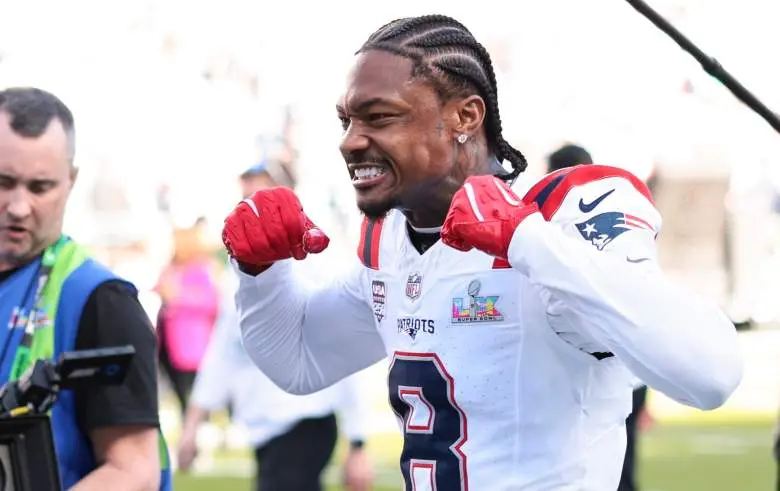
But cracks began to appear as the season progressed. Inconsistent offensive line play left Maye struggling too often, leading to rushed throws, sacks and missed opportunities. Diggs, a player who thrives on pace and volume, was frustrated by limited goals in key games. The Seahawks matchup proved to be the breaking point. The Patriots’ offense repeatedly stalled, with Maye facing relentless pressure and struggling to connect consistently.
Diggs finished with modest numbers, watching plays die before they could develop. The final score reflected a lopsided defeat that left both fans and players stunned.
In the postgame media session, Diggs’ emotions boiled over. His statement wasn’t just about a bad game: it was the culmination of growing frustrations. By calling Maye “the source of the disaster,” he implied that fundamental issues with decision-making, accuracy under pressure, or perhaps even leadership style were holding the team back. For a veteran like Diggs, who has always prioritized victories and personal legacy, continuing in such an environment seemed unsustainable. The ultimatum (“It’s him or me”) left no room for ambiguity.
Diggs made it clear that he would rather walk away from a lucrative contract and promising situation than compromise what he considers his professional standards.
This is not the first time Diggs has expressed dissatisfaction. His stay in Buffalo ended amid tensions and his brief time in Houston was cut short by injury. However, in New England expectations were different. The Patriots sold him stability, a young core and the opportunity to win immediately under Vrabel’s tough, disciplined regime. Now, that vision has been fractured.
Drake Maye, for his part, has remained relatively restrained in public. The young quarterback has taken responsibility for the losses, focusing on execution and personal improvement instead of pointing fingers. Sources close to the team describe him as hardworking and coachable, with a quiet confidence that has earned the respect of many teammates. However, the focus on his mistakes – interceptions at crucial moments, tendencies to hold onto the ball – has intensified the scrutiny.
Diggs’ public denunciation adds another layer of pressure, potentially affecting Maye’s confidence and the overall dynamic in the quarterback room.
Mike Vrabel now faces an unenviable task. Known for his direct, player-first approach, Vrabel has built his reputation on encouraging accountability and unity. But managing a star veteran’s demand to choose sides tests even the best leaders. Options include private mediation sessions to rebuild trust, schematic adjustments to better utilize Diggs and protect Maye, or, most drastically, exploring business possibilities for one of the parties. Diggs’ contract offers some flexibility, but his production makes him difficult to replace.
Moving on from Maye, the supposed long-term cornerstone, would represent a huge setback for the rebuild.
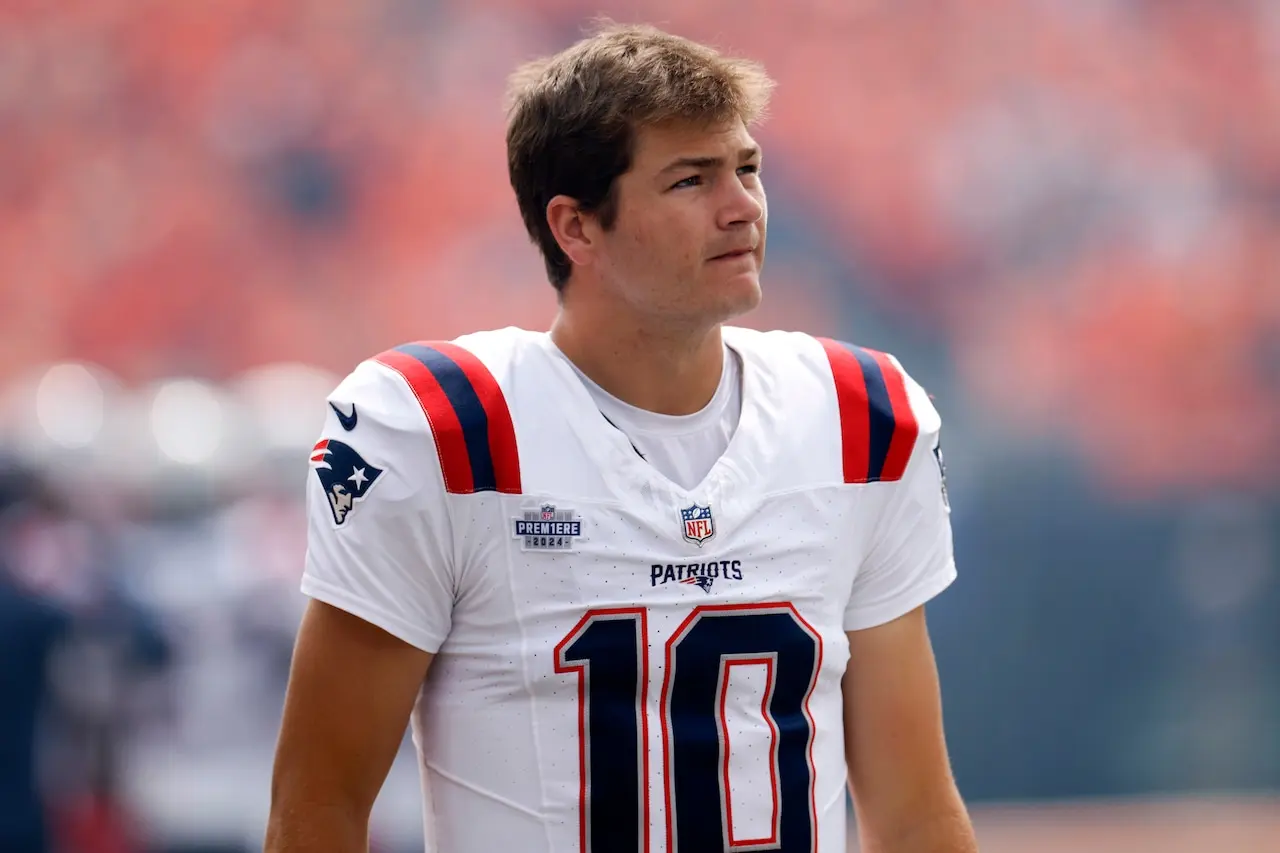
The implications for the locker room are profound. Other players will be watching closely how Vrabel handles this. Does the coach side with experience and production, or is he betting on the future with the young quarterback? Alienating either side risks fracturing morale at a time when the team needs cohesion to move forward.
Fans are divided. Some defend Diggs, arguing that a veteran has every right to demand competence from those around him, especially when his career window is shrinking. Others support Maye, seeing him as a talent worth protecting and developing, and growing pains are expected in his early years. Social media has exploded with debates, memes and hot opinions, turning a single loss into a full-blown saga.
Looking ahead, the offseason will be essential. Will Diggs double down, perhaps requesting a trade with a contender? Could the Patriots facilitate a move to keep both assets happy? Or could apologies, honest conversations, and renewed commitment heal the rift? The organization has a lot invested in this combination (financially with the Diggs deal, emotionally with Maye’s recruiting capital) and abandoning him prematurely would hurt.
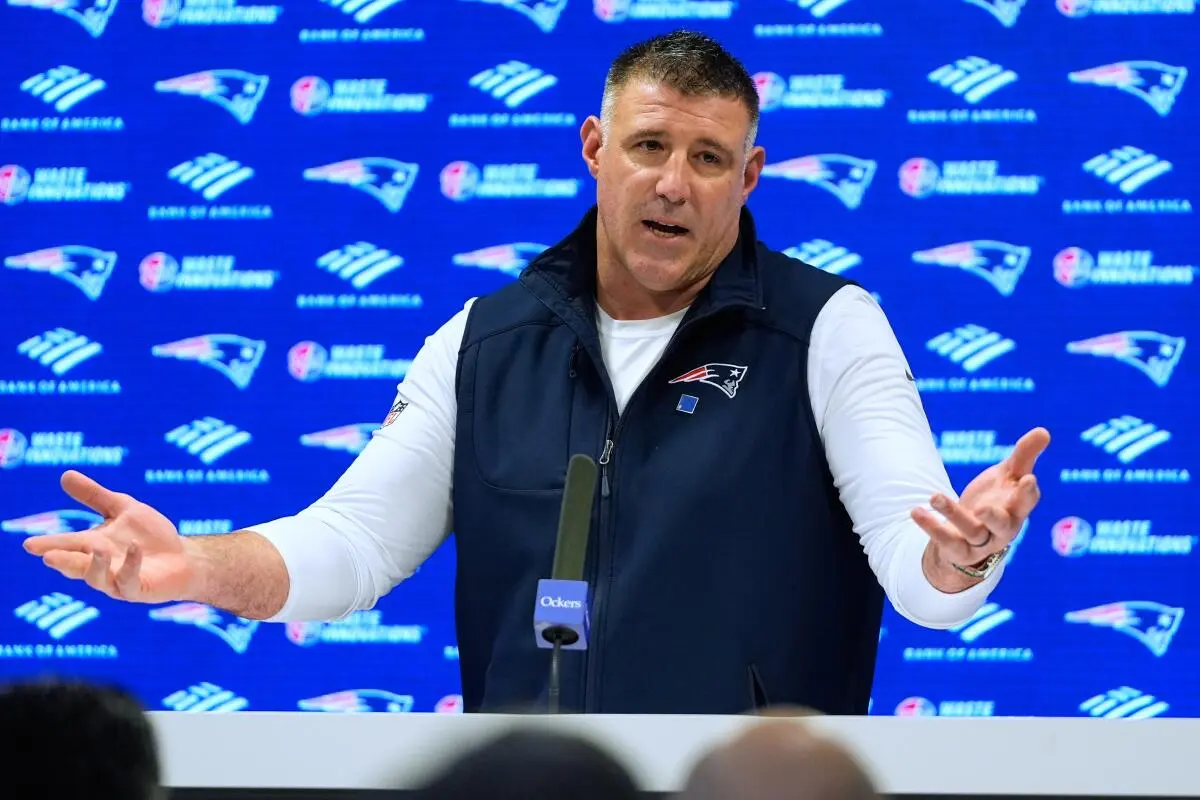
This moment transcends a player’s frustration. It highlights the delicate balance between veteran leadership and youth potential, the challenges of building around a young quarterback and the high stakes of NFL team dynamics. Diggs’ words have forced New England to confront uncomfortable truths about performance, chemistry and coaching.
As the league moves toward free agency and the draft, all eyes remain on Foxborough. The Patriots’ response to this crisis will define not only the immediate future, but also the trajectory of the franchise for years to come. In a league where talent alone is not enough, relationships and trust often determine success. Right now, those foundations are shaking, and only decisive action can stabilize them.