
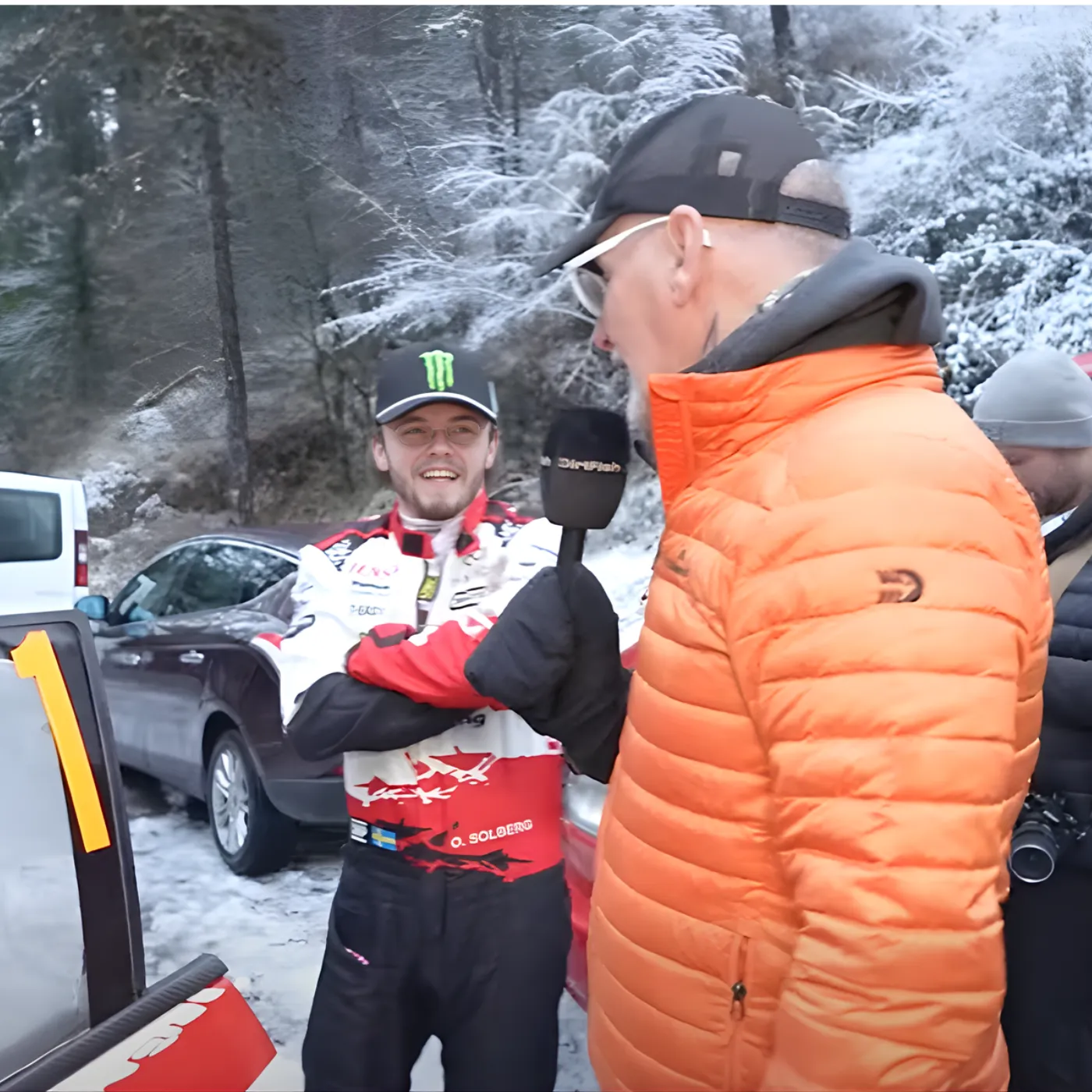
When Oliver Solberg finally spoke after today’s chaotic WRC test session, the atmosphere changed instantly. His twelve words were quiet, controlled, and deeply unsettling, not because they were dramatic, but because they confirmed what many in the paddock feared. Something had gone fundamentally wrong. For hours, confusion reigned across the test venue as teams scrambled for answers, engineers argued over data, and observers struggled to explain the sequence of errors that unfolded. Solberg’s statement did not point fingers, yet it revealed that the chaos was not random.
It was the result of a chain reaction that had been building beneath the surface, unnoticed until it erupted in full view of the rally world.
WHY OLIVER SOLBERG’S WORDS HIT THE WRC SO HARD
Oliver Solberg is known for transparency without theatrics. When he speaks, people listen, not because he seeks attention, but because his words usually reflect careful thought. That is why his admission carried such weight. By saying he never expected things to get this bad, Oliver Solberg acknowledged that even those closest to the situation underestimated the severity of the underlying issues. In a championship where precision and preparation define success, such an admission signals more than a bad day. It signals a breakdown in understanding between expectation and reality, something the World Rally Championship does not tolerate lightly.
 THE TEST SESSION THAT UNRAVELED IN REAL TIME
What began as a routine test session quickly spiraled into confusion. From the first runs, it was clear that conditions were not behaving as predicted. Grip levels fluctuated unexpectedly, balance shifted corner to corner, and driver feedback contradicted simulation data. Teams paused runs repeatedly, attempting to recalibrate, while marshals and officials monitored growing delays. For Oliver Solberg, each lap raised more questions than answers. The car reacted inconsistently, and adjustments that should have stabilized performance instead amplified instability. Observers could sense tension rising, not just in Solberg’s camp, but across the entire test environment.
THE INVISIBLE PROBLEMS NO ONE SAW COMING
According to those close to the session, the chaos was not caused by a single failure. Instead, it emerged from a combination of subtle factors that aligned in the worst possible way. Changes in surface temperature, unexpected mechanical sensitivities, and revised setup philosophies created a fragile balance. When one element shifted, the entire system reacted unpredictably. Oliver Solberg later hinted that early warning signs existed but were easy to dismiss because each issue appeared manageable on its own. Together, however, they formed a perfect storm that exposed vulnerabilities few believed were present.
THE PSYCHOLOGICAL IMPACT ON A YOUNG DRIVER
While much attention has focused on technical explanations, the emotional toll on Oliver Solberg should not be overlooked. Test sessions are designed to build confidence and clarity. This one did the opposite. Each unresolved problem added mental pressure, forcing Solberg to drive with uncertainty rather than instinct. His twelve word statement reflected that strain. It was not fear, but disbelief. Disbelief that preparation could unravel so completely. In a sport where confidence is inseparable from performance, such moments can linger long after the engine cools.
TEAM DYNAMICS UNDER SUDDEN STRESS
Inside the garage, the atmosphere reportedly shifted from analytical to urgent. Engineers debated whether to continue testing or halt entirely. Data streams conflicted, and assumptions that usually guide quick decisions no longer applied. For teams operating at the highest level of WRC, this kind of uncertainty is deeply uncomfortable. Oliver Solberg’s calm demeanor helped prevent panic, but it could not restore clarity instantly. The session became less about optimizing performance and more about damage control, both technically and mentally.
WHY THIS SESSION SHOCKED THE WRC PADDOCK
Test sessions rarely attract widespread attention, yet this one sent shockwaves through the paddock. Rival teams noticed delays, unusual adjustments, and uncharacteristic caution. Whispers spread quickly. If a driver like Oliver Solberg, supported by elite resources, could encounter such chaos, what did that say about the margins everyone else was operating within? The incident reminded the WRC community that progress often pushes teams closer to instability, where small miscalculations carry outsized consequences.
THE ROLE OF MODERN DATA AND ITS LIMITATIONS
Modern rallying relies heavily on data, simulation, and predictive modeling. Ironically, those tools may have contributed to the confusion. When real world conditions diverged from modeled expectations, teams hesitated to trust instinct over numbers. Oliver Solberg’s experience highlighted a growing tension within the sport. Data can guide, but it cannot replace feel. When drivers sense something is wrong and the data insists otherwise, decision making becomes paralyzed. This test session exposed how dangerous that gap can be.
A MOMENT OF HONESTY RATHER THAN EXCUSES
What set Oliver Solberg apart was his response afterward. He did not blame conditions, equipment, or external factors. Instead, he acknowledged that expectations were misaligned with reality. That honesty resonated throughout the rally world. By admitting surprise at how bad things became, Solberg demonstrated maturity beyond his years. He framed the session not as a failure, but as a lesson. In doing so, he shifted the narrative from embarrassment to reflection.
WHAT THIS MEANS FOR SOLBERG’S SEASON AHEAD
One chaotic test session does not define a season, but it can influence its direction. For Oliver Solberg, the key takeaway will be adaptability. Trusting intuition, questioning assumptions, and responding decisively to early warning signs will shape how he approaches future tests and rallies. Teams often grow strongest after confronting their blind spots, and this experience may ultimately sharpen Solberg’s awareness and resilience. The discomfort of today could become the foundation of tomorrow’s progress.
REACTIONS FROM THE WIDER RALLY COMMUNITY
The rally community responded with a mix of concern and respect. Fans expressed sympathy, recognizing the pressure drivers face during moments of public struggle. Fellow competitors quietly acknowledged that they too have endured sessions where nothing made sense. Oliver Solberg’s openness created a rare moment of shared vulnerability within a fiercely competitive environment. Rather than damaging his reputation, it reinforced his credibility as a driver willing to confront reality head on.
THE DEEPER LESSON FOR WRC TEAMS
Beyond one driver or team, this incident offers a broader lesson for the World Rally Championship. Complexity increases risk. As cars become more sophisticated and margins tighter, the potential for cascading issues grows. Teams must balance innovation with robustness, ensuring that systems remain understandable even under stress. Oliver Solberg’s experience serves as a reminder that progress should not come at the cost of clarity.
WHY THESE 12 WORDS WILL BE REMEMBERED
“I never expected things to get this bad” will linger because it captures a universal truth in motorsport. No matter how prepared you are, uncertainty can still overwhelm. Those words stripped away the illusion of control and revealed the human reality behind elite competition. For Oliver Solberg, they marked a moment of confrontation with that reality, not as a setback, but as a point of growth.
LOOKING FORWARD WITH GREATER AWARENESS
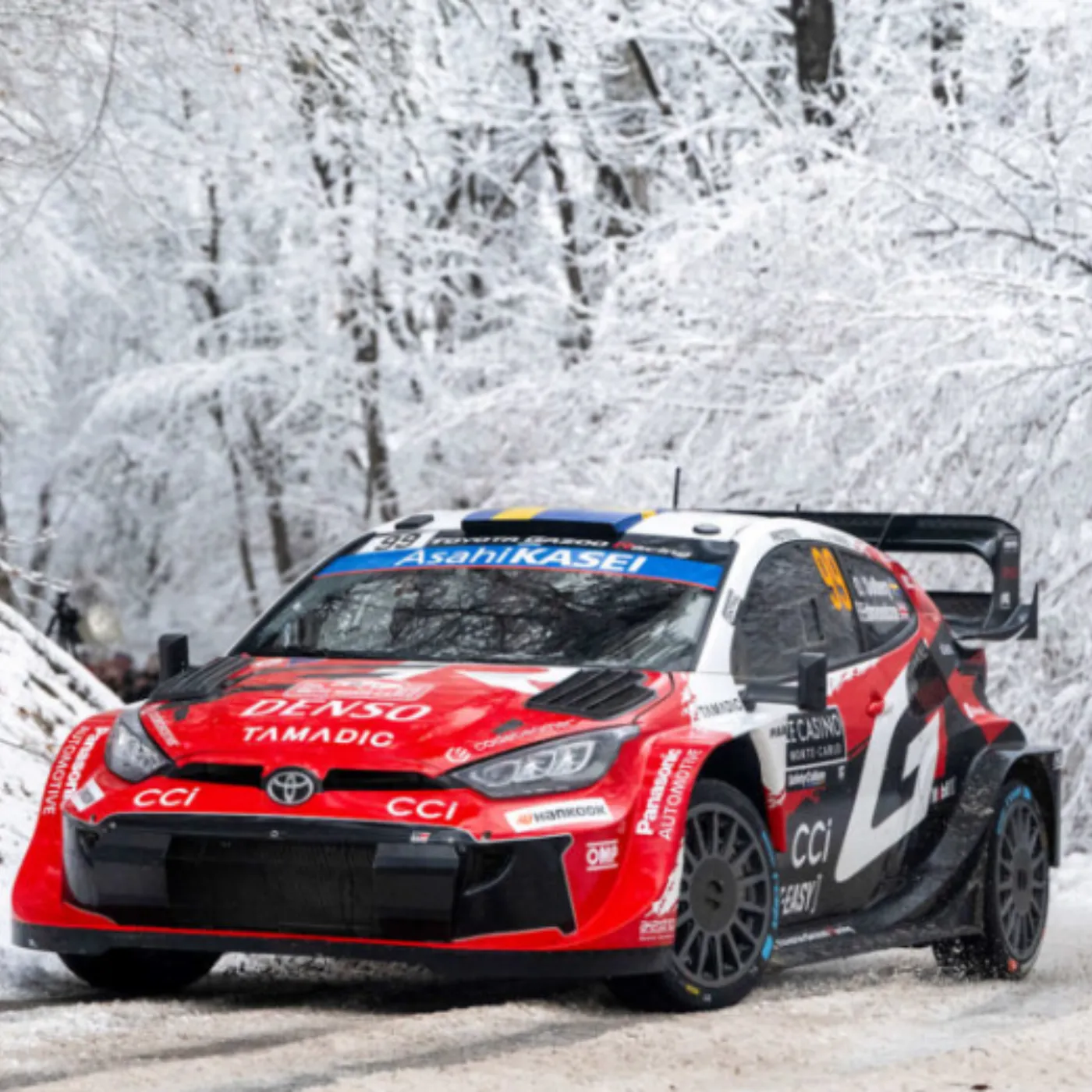
As the dust settles, attention will shift toward solutions. Engineers will refine setups, drivers will recalibrate expectations, and teams will analyze every detail of what went wrong. Oliver Solberg will move forward carrying deeper awareness of how quickly conditions can change. That awareness, forged in discomfort, may become one of his greatest strengths as he continues his journey in WRC.
WHEN CHAOS BECOMES CLARITY
Today’s chaotic test session shocked the rally world, but it also provided rare clarity. Oliver Solberg’s twelve chilling words did not close a chapter. They opened one. A chapter about humility, adaptation, and the relentless pursuit of understanding in a sport defined by uncertainty. The mystery behind the chaos is no longer hidden. It lies in the fragile balance between expectation and reality, a balance that Oliver Solberg now understands more deeply than ever before.