
“He’s bankrupting Australia with his reckless spending!” The accusation rang out across parliamentary corridors as opposition figures intensified attacks on Prime Minister Anthony Albanese’s economic record, framing recent fiscal updates as evidence of systemic mismanagement and looming financial instability.
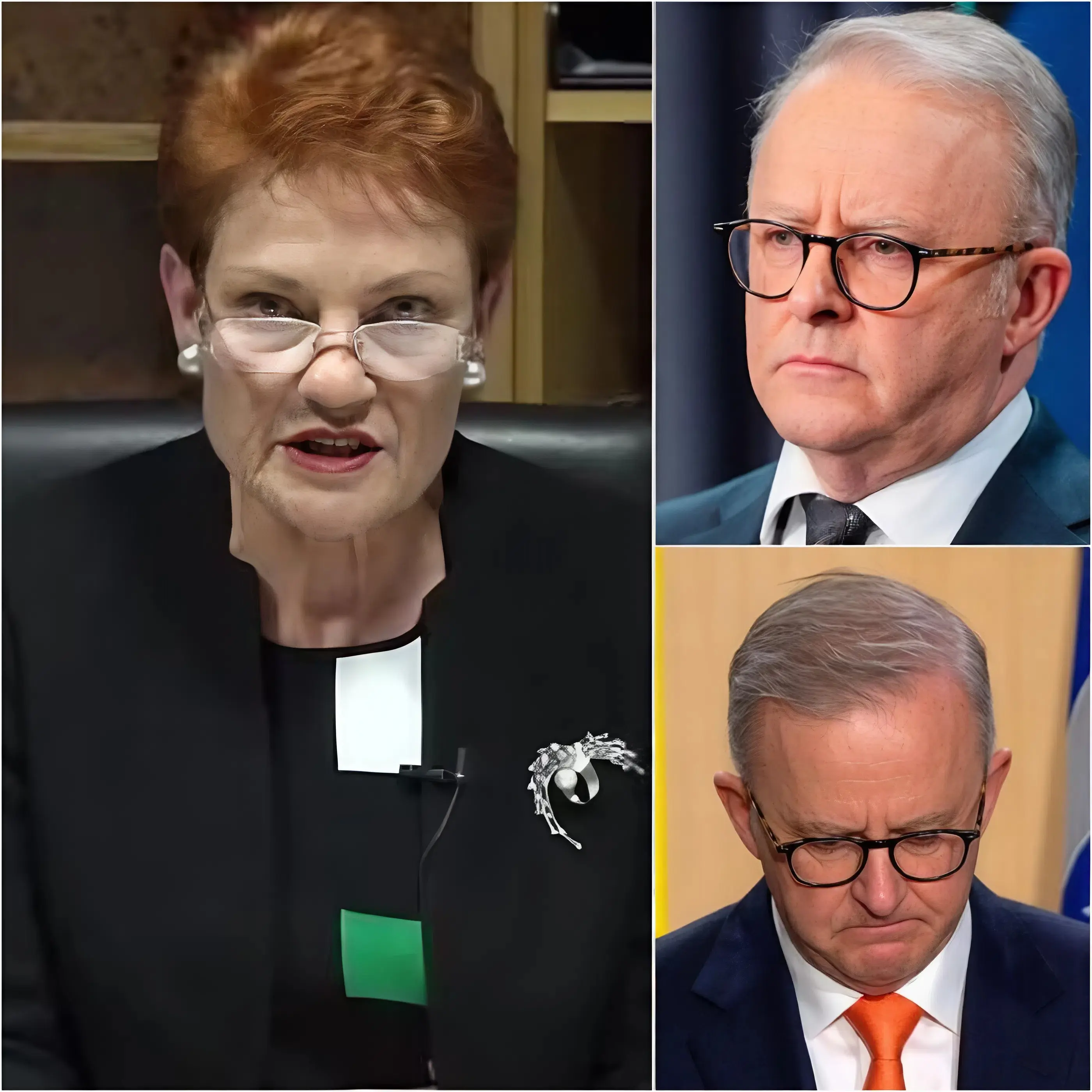
Leaders from the Liberal-National Coalition joined forces with One Nation, arguing that government expenditure has spiraled beyond sustainable limits. They pointed to projections showing a $54 billion budget deficit as proof of deteriorating fiscal discipline.
According to opposition speakers, forward estimates indicate no meaningful surplus within the coming decade. They warned that structural deficits risk embedding long-term debt, constraining future governments and limiting flexibility during economic downturns.
Shadow Treasurer Angus Taylor emerged as one of the most vocal critics. He labeled the situation a “total failure,” asserting that Labor’s approach reflects ideological preference for expansion rather than prudent economic stewardship.
Coalition representatives cited Senate Estimates hearings to bolster their claims. They argued that testimony from departmental officials revealed spending commitments without corresponding productivity gains or detailed long-term funding strategies.
Government ministers rejected those characterizations, contending that global inflationary pressures and post-pandemic recovery costs have shaped fiscal outcomes across advanced economies, not solely domestic policy choices.
Nevertheless, opposition figures linked rising living costs to what they described as “wasteful” programs. They argued that expansive spending contributes to inflation, indirectly driving up interest rates and mortgage burdens.
One Nation amplified these concerns through public rallies and media appearances, positioning itself as the uncompromising defender of ordinary households facing escalating grocery bills and housing stress.
The debate intensified when critics connected economic management to broader security controversies. References to the Bondi incident surfaced repeatedly, with opponents alleging inadequate governmental vigilance and accountability.
Opposition speakers suggested that fiscal priorities have overshadowed core responsibilities such as community safety. They argued that effective governance requires balanced allocation between social programs and protective measures.
Labor members countered that conflating economic policy with isolated security events politicizes tragedy. They insisted that responsible budgeting coexists with strengthened law enforcement and social cohesion initiatives.
Angus Taylor reiterated calls for substantial expenditure reductions. He proposed targeted cuts across administrative departments and reassessment of major infrastructure commitments deemed insufficiently cost-effective.
Coalition leaders framed their critique as a return to “back-to-basics” fiscal management. They emphasized debt reduction, streamlined public service operations, and incentives for private sector investment.
One Nation adopted sharper rhetoric, accusing the government of prioritizing ideological symbolism over tangible economic relief. Party spokespeople claimed they represent the “true opposition” willing to confront entrenched interests.
Political analysts note that cost-of-living anxieties resonate deeply with voters. Mortgage repayments, energy bills, and food prices dominate household discussions, creating fertile ground for narratives centered on fiscal responsibility.
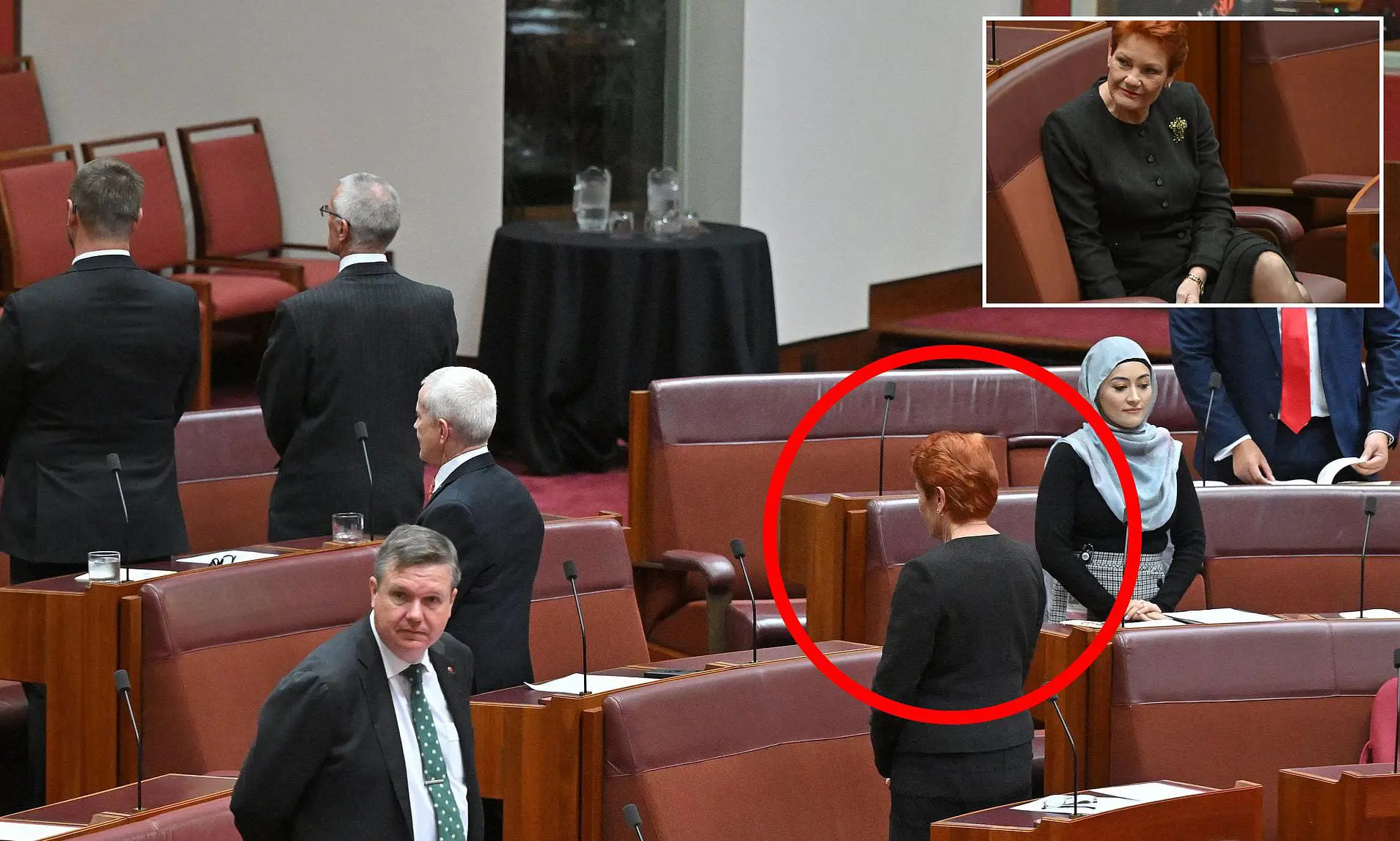
Treasury officials, however, have highlighted employment resilience and wage growth indicators as evidence of underlying economic strength. They argue that selective emphasis on deficit figures overlooks broader macroeconomic context.
Critics remain unconvinced, asserting that headline employment statistics cannot offset the lived reality of higher interest payments. They contend that policy must focus on immediate relief rather than abstract projections.
Senate Estimates sessions provided dramatic soundbites. Opposition senators pressed officials on forecast assumptions, challenging growth estimates and questioning contingency planning for potential global slowdowns.
Government representatives defended their modeling, citing independent economic reviews and international comparisons. They argued that disciplined yet responsive spending shields vulnerable populations from deeper hardship.
The clash underscores philosophical differences about fiscal policy. Conservatives typically prioritize expenditure restraint and deficit reduction, while Labor often emphasizes social investment and economic stimulus during uncertain periods.
Public opinion appears divided. Polling suggests many Australians worry about debt levels, yet they also support funding for healthcare, education, and renewable energy initiatives championed by the government.
One Nation has leveraged this ambivalence by combining populist fiscal rhetoric with critiques of immigration and national security policy. The party’s messaging seeks to unify economic and cultural dissatisfaction.
Business leaders have offered cautious commentary. Some industry groups support targeted spending cuts to stabilize inflation expectations, while others warn that abrupt reductions could undermine growth and employment.
Economists emphasize the complexity of inflation dynamics. While fiscal expansion can contribute to demand pressures, global supply disruptions and monetary policy decisions also significantly influence price trajectories.
Reserve Bank officials maintain independence in setting interest rates, yet opposition figures argue that fiscal settings indirectly shape monetary responses, compounding pressure on borrowers.
Labor ministers counter that responsible fiscal consolidation is underway, pointing to measures designed to moderate expenditure growth without sacrificing essential services.
The rhetorical escalation has sharpened parliamentary exchanges. Question Time frequently features pointed accusations, with opposition members demanding immediate policy reversals.
Media coverage reflects the polarized climate. Headlines highlight deficit projections and political soundbites, sometimes overshadowing nuanced economic analysis.
Voters, meanwhile, grapple with tangible concerns: rent increases, insurance premiums, and childcare expenses. For many, abstract fiscal debates translate into everyday financial strain.
Analysts caution that framing economic policy as outright bankruptcy risks oversimplification. Australia retains strong credit ratings and diversified revenue streams.
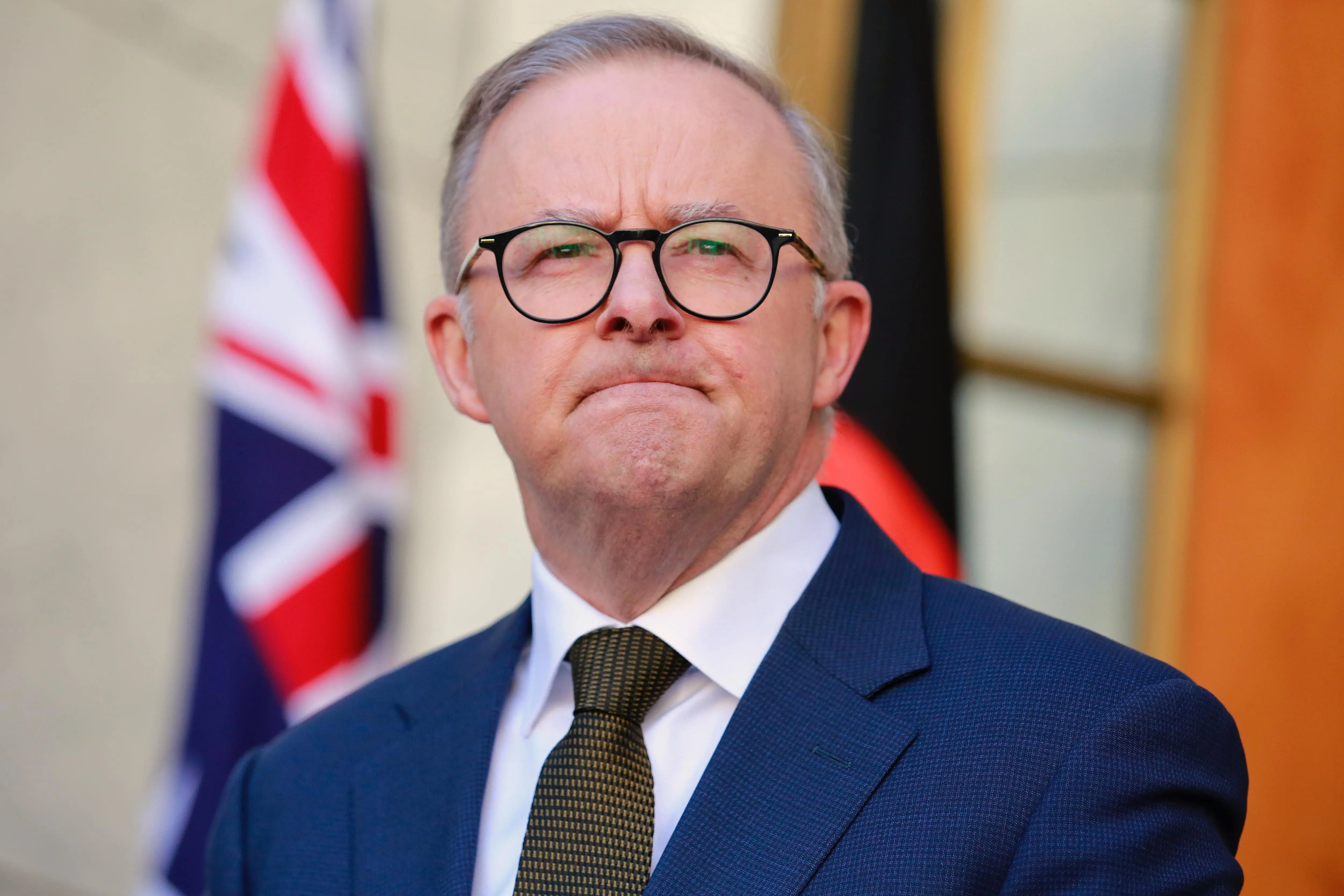
Still, perceptions matter politically. If households believe management is failing, electoral consequences may follow regardless of macroeconomic fundamentals.
Angus Taylor has proposed a comprehensive spending review within the first hundred days of any potential Coalition government. He argues that transparency and restraint would restore confidence.
One Nation leaders echo calls for immediate austerity but combine them with pledges to protect pensioners and small businesses from what they term bureaucratic excess.
Labor warns that drastic cuts could reverse social gains and weaken resilience against external shocks. Ministers emphasize incremental adjustment over sweeping retrenchment.
The Bondi reference continues to inflame debate, illustrating how economic narratives intersect with broader trust in governance.
Ultimately, the controversy reflects deeper tensions about the role of government in shaping prosperity and security.
As Australia approaches future electoral milestones, arguments over deficits, discipline, and responsibility will likely intensify.
Whether voters prioritize fiscal tightening or sustained public investment remains uncertain.
What is clear is that the clash has crystallized ideological divisions, transforming budget figures into symbols of competing visions for Australia’s economic future.